Artificial intelligence
Turn AI possibility into organisational capability and sustained value.
AI creates possibility. Organisations create value when they decide where it matters, build the capability to act and measure what changes.
This is about that shift. From interesting technology to better decisions, stronger capability and outcomes that endure.

Questions worth answering
The questions leaders need to answer are becoming more consequential.
AI is moving quickly, but genuine organisational understanding is uneven. Leaders are being asked to make decisions about investment, risk, work, capability and strategy while the technology itself is changing rapidly.
The useful questions are often simpler than the language surrounding them.
What is AI actually capable of now?
Not what the headlines imply, and not just what people have experienced through ChatGPT or Copilot. Leaders need enough understanding of the technology and its limits to make sound decisions.
Where could it create real value for us?
Which processes, decisions, products, services or capabilities could materially improve, and which ideas are simply interesting uses of new technology?
What should we do now?
Where should we experiment, invest or change the way work is done? What should wait? What does not justify attention at all?
What needs to change around the technology?
AI does not operate separately from the organisation. Information, processes, governance, skills, accountability and ways of working can determine whether the technology creates value.
How will we know whether it is working?
Usage is not value. Neither are pilots or productivity anecdotes. Leaders need to know what outcomes matter, how progress will be judged and how value will be measured.
How do we use AI with confidence?
Governance, risk and assurance matter because they create the confidence to act. The aim is to pursue worthwhile opportunities and create value, with the right controls, accountability and assurance in place.
Start with a grounded understanding of what is changing.
Different leaders and teams often start with different assumptions about AI. Establishing a shared, grounded understanding helps an organisation evaluate opportunities, discuss risks and make decisions on a more informed basis.
Adam works with teams to develop that understanding in the context of their organisation, rather than treating AI education as an end in itself.
Ways to engage
Different questions call for different ways of working.
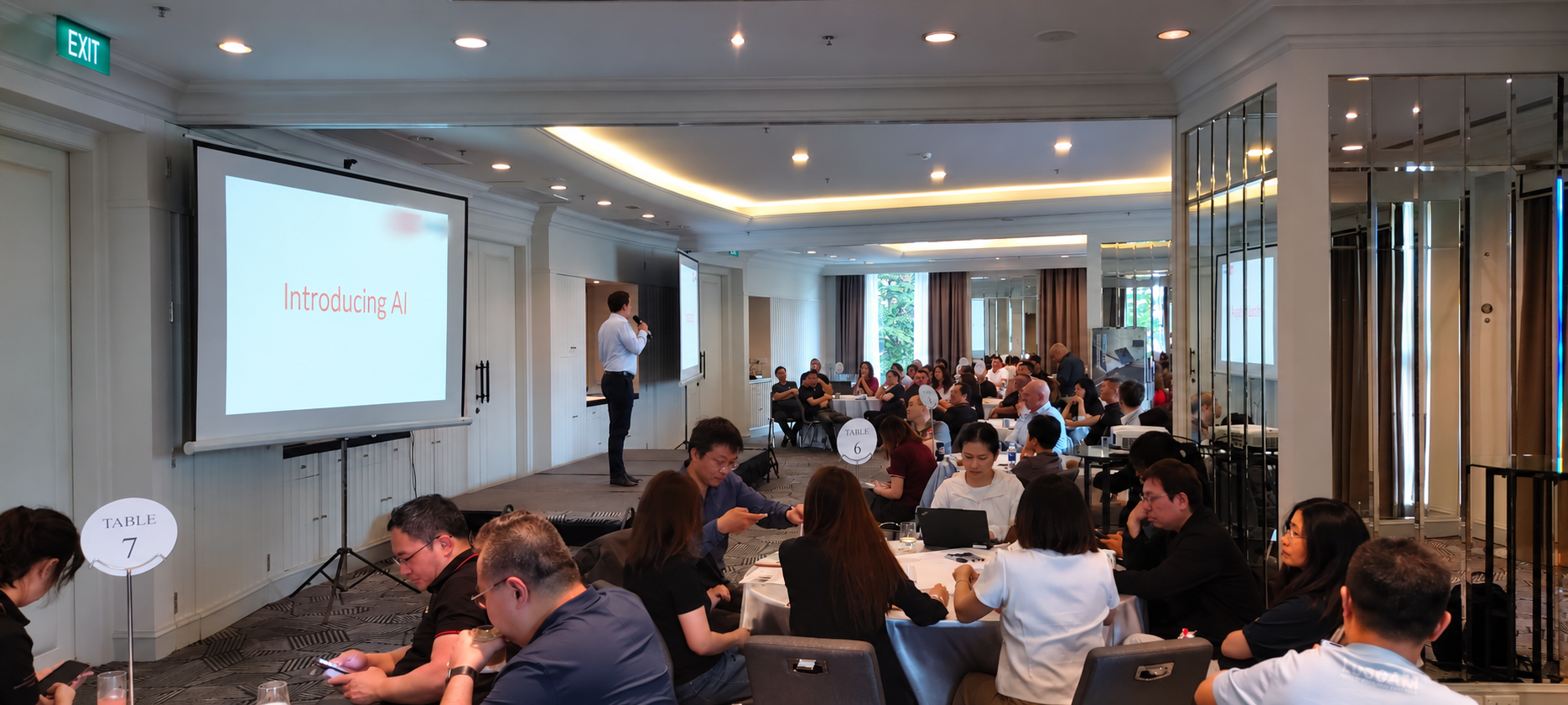
These can stand alone or combine, depending on the question and what the organisation needs.
Understand
Executive Briefings
Build enough shared understanding of what is changing, what it could mean for the organisation and which questions matter.
Greater leadership alignment, a shared perspective on opportunities and risks, and clarity about the decisions ahead.
Decide
Working Sessions
Work through the opportunity, risk and trade-offs, establish priorities and decide what should happen next.
A shared direction and greater confidence about what to do next.
Plan
AI Business Plan
Develop a practical plan for the business, a function or a department, connecting priorities, organisational capability, implementation and the measurement of value.
An actionable plan connecting investment, organisational readiness and the outcomes the business intends to achieve.
Realise
Tangible Outcomes
Work with the organisation to turn decisions and plans into working capability, implementation and measurable organisational value.
Improved ways of working, stronger internal capability and evidence of value realised.
Outcomes that matter
AI creates possibility. Organisations themselves create value.
The measure is not how much AI is being used. It is whether something important is improving.
Better decisions. Better work. Stronger capability. New products or services. Lower cost, reduced risk or greater resilience.
The work is to identify which outcomes matter, then help the organisation build the capability and changes required to achieve them.
Looking ahead
What could this change next?
Some of the most important questions are not about today’s tools. They are about what increasingly capable AI could change next in work, expertise, decision-making, organisational knowledge and competitive advantage.
Understanding what may be coming helps leaders make better choices about what to build, preserve and prepare for now.
Start a conversation
Working through a consequential question?
Bring the challenge, opportunity or decision that matters. We’ll work out what needs to happen next.